


Indian Land has become one of the most closely watched suburban growth corridors near Charlotte, but the area’s appeal goes far beyond simple population growth or buyer comparisons alone. Buyers searching throughout the Carolinas increasingly compare Indian Land against surrounding communities because it offers something many suburban markets struggle to balance: proximity, newer housing, ongoing development, and residential convenience without fully transitioning into an urban environment.
For many relocation buyers, the search often begins broadly through surrounding areas like Charlotte homes for sale, South Charlotte suburbs, or nearby Lancaster County communities before narrowing into Indian Land specifically. What frequently changes buyer perception is how much the area has evolved operationally over the last decade. Indian Land no longer feels like an in-between corridor sitting outside Charlotte. It functions as its own expanding residential market with increasingly layered neighborhoods, commercial infrastructure, commuter positioning, and long-term housing demand.
Unlike older suburban towns that developed around historic downtown centers, Indian Land evolved primarily around residential expansion tied to the Highway 521 corridor. That growth pattern created a very different type of suburban environment. Communities were designed around modern layouts, planned amenities, HOA structures, newer retail corridors, and commuter accessibility into nearby employment hubs like Ballantyne, Uptown Charlotte, Fort Mill, and SouthPark.
That structure attracts a broad range of buyers.
Some buyers prioritize lower South Carolina taxes while remaining close to Charlotte employment. Others want larger homes compared to Mecklenburg County pricing. Many families focus heavily on Lancaster County school access, while downsizers and active adult prospective residents gravitating toward amenity-driven communities throughout the area. Hybrid work schedules have also reshaped buyer behavior significantly, allowing more flexibility for residents who no longer need to commute daily into Charlotte office districts.
As a result, Indian Land has evolved into one of the region’s most active relocation and residential growth markets.

One misconception buyers sometimes have is assuming Indian Land exists only because of its proximity to Charlotte.
That proximity absolutely matters, but the area’s continued demand comes from how daily life functions once residents move there. Indian Land increasingly supports localized living rather than requiring residents to constantly leave the area for everyday necessities.
Retail corridors continue expanding around:
Developments near RedStone, Sun City Carolina Lakes, and expanding portions of Charlotte Highway continue reshaping how self-contained the area feels on a daily basis.
That difference becomes important for buyers comparing Indian Land against older suburban communities where infrastructure and residential development feel more disconnected.
Indian Land’s growth has largely followed residential usability patterns. Commercial expansion continues filling in around residential communities rather than leaving neighborhoods isolated from services and conveniences.
For many residents, daily routines simply feel easier to manage.
Indian Land’s housing inventory has become far more diverse than many buyers initially expect.
The area includes:
That flexibility allows Indian Land to attract multiple buyer demographics simultaneously.
Some buyers are entering the market for the first time and prioritize affordability near Charlotte employment centers. Others are moving up from starter homes into larger suburban properties with neighborhood amenities. Certain relocation buyers compare Indian Land directly against nearby areas like Fort Mill SC homes for sale or Waxhaw NC homes for sale while evaluating schools, taxes, and commute patterns.
Luxury inventory has also expanded considerably.
Communities with larger lots, gated access, custom construction, and wooded privacy settings continue attracting higher-end buyers who want newer housing outside denser Charlotte neighborhoods.
That broad inventory mix strengthens long-term market stability because the area does not rely exclusively on one buyer profile or pricing segment.
Few suburban markets near Charlotte remain as heavily associated with newer construction as Indian Land.
Builders continue developing throughout Lancaster County because buyer demand remains tied closely to:
For many relocation buyers, Indian Land offers access to housing inventory that feels newer and more aligned with current design expectations than older suburban communities nearby.
Neighborhood amenities also play a major role in buyer decisions.
Pools, trails, fitness centers, clubhouses, playgrounds, and recreational spaces are common throughout many master-planned developments. Buyers prioritizing lifestyle-oriented suburban environments often place significant value on those features when comparing homes.
At the same time, buyers should understand that not every new construction neighborhood operates identically.
Builder reputation, HOA structures, density, lot sizes, future expansion phases, and surrounding infrastructure can significantly impact long-term ownership experience.
Location remains one of the strongest long-term drivers behind Indian Land’s continued growth.
Residents can access:
within relatively manageable commuting distances depending on traffic conditions and work schedules.
That positioning matters because many buyers relocating into the Carolinas work in multiple areas throughout the metro region.
Some residents split time between North Carolina and South Carolina offices. Others commute into Ballantyne business centers while working hybrid schedules that reduce daily travel demands. Remote work flexibility also expanded Indian Land’s appeal considerably because buyers no longer need to prioritize immediate Uptown proximity.
Many buyers researching the area also compare nearby commuter-oriented markets like Ballantyne Charlotte NC homes for sale and local living guide while evaluating long-term lifestyle fit.
The result is a market that appeals strongly to relocation buyers searching for balance between suburban living and regional accessibility.
Longtime residents often describe how dramatically Indian Land changed over the last decade.
What was once viewed as a quieter rural corridor now operates as one of the most active suburban expansion areas near Charlotte. Residential development accelerated rapidly alongside retail construction, infrastructure improvements, and commercial investment.
That transformation continues reshaping buyer expectations.
Many residents moving into the area today encounter:
Growth, however, always introduces tradeoffs.
Traffic along Highway 521 remains one of the most discussed parts of daily life in Indian Land. Infrastructure improvements continue, but population growth often outpaces expansion efforts temporarily.
Buyers considering the area should approach growth realistically rather than assuming every part of the corridor functions identically.
Neighborhood positioning matters significantly.
Some communities provide easier commuter access depending on daily routines, while others may experience heavier congestion tied to school traffic, retail corridors, or commuter bottlenecks.

One characteristic that makes Indian Land different from many suburban communities is how frequently residents move between two states during everyday life. While homeowners benefit from living in South Carolina, much of daily activity often extends across the North Carolina border. Many residents work in Ballantyne or South Charlotte, attend sporting events throughout Mecklenburg County, visit nearby healthcare providers, dine in neighboring communities, or travel between both states several times each week without giving it much thought.
This cross-border lifestyle becomes part of normal daily routine. Buyers are not choosing between two completely separate markets—they are choosing where they want to live while remaining connected to one larger regional economy. That flexibility continues attracting relocation buyers who value South Carolina tax advantages without feeling disconnected from Charlotte’s employment centers, entertainment districts, and business community.
One reason Indian Land remains highly competitive is because many buyers feel they can access more home for the money compared to nearby Mecklenburg County neighborhoods.
That may include:
For buyers relocating from denser urban markets or higher-cost Charlotte suburbs, Indian Land often feels like a practical balance between affordability and modern suburban living.
The area especially appeals to buyers prioritizing functionality and lifestyle over traditional downtown character.
Indian Land does not operate like a historic walkable town center.
Instead, it functions as a modern suburban corridor centered around planned communities, convenience, and regional accessibility.
One mistake buyers make is assuming every Indian Land neighborhood feels the same.
Community personality varies significantly depending on:
Communities like Sun City Carolina Lakes attract active adult buyers prioritizing recreation, clubs, golf, and lower-maintenance living.
BridgeMill appeals more heavily to buyers wanting suburban amenities, commuter access, and family-oriented community structure.
Luxury buyers may focus more heavily on gated or custom-home environments like Bretagne, where wooded lots and privacy become larger priorities.
Townhome buyers often prioritize lower-maintenance living near retail and commuter corridors, while other residents seek larger parcels farther from the highest-density sections of the market.
Understanding those differences matters because lifestyle fit often becomes more important than simple square footage comparisons.
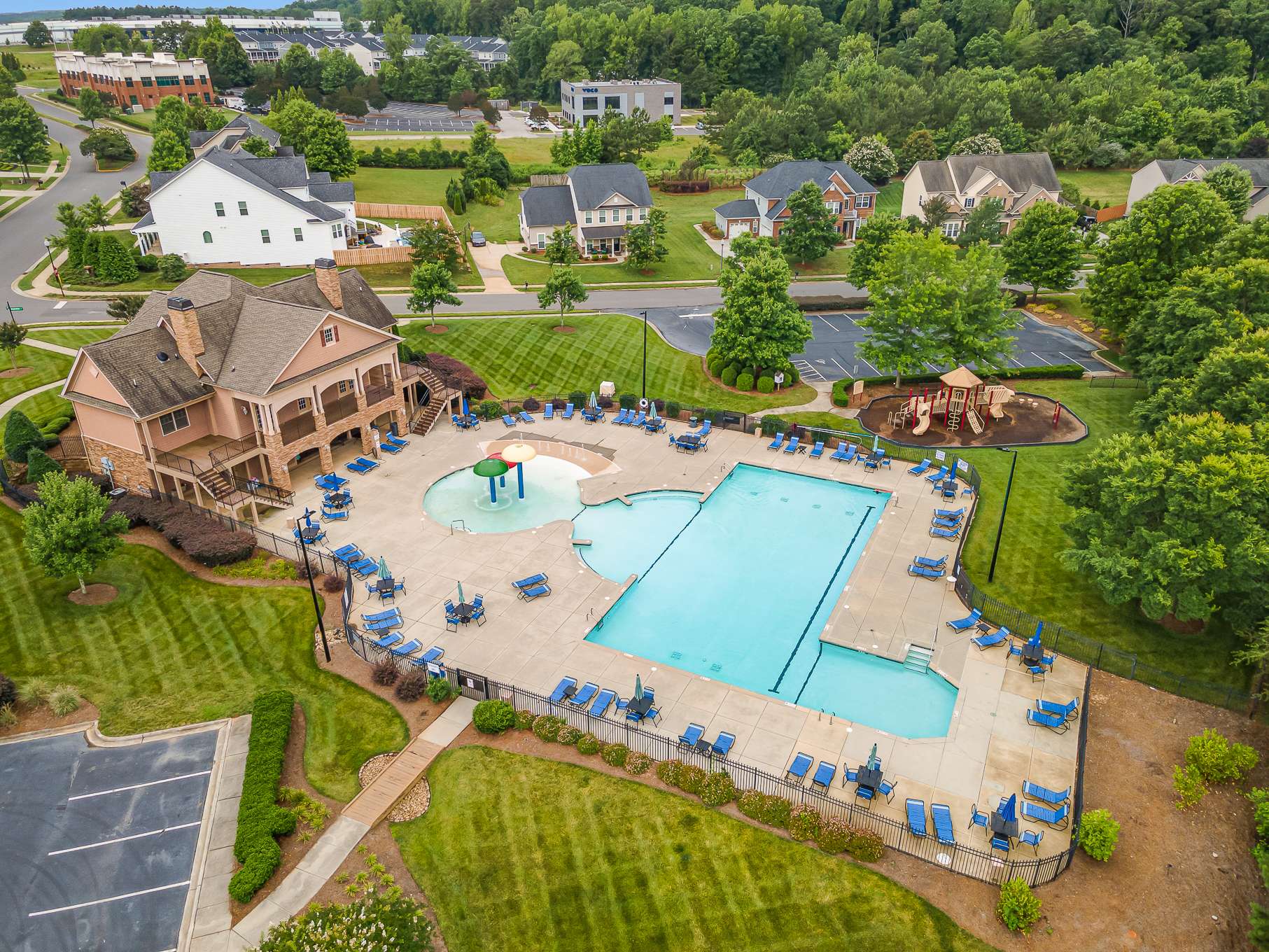
Indian Land’s rapid growth means buyers often compare multiple newer communities built within just a few years of one another. Although many neighborhoods appear similar during an initial tour, long-term ownership can vary depending on builder quality, neighborhood planning, lot placement, landscaping, amenity maintenance, and how future phases of development are completed.
Communities with thoughtful layouts, attractive entrances, mature landscaping, functional amenities, and strong homeowner involvement often remain desirable well after construction finishes. Buyers who evaluate these long-term factors alongside floor plans and pricing frequently place themselves in a stronger position when resale eventually becomes part of the conversation.
School demand remains one of the strongest drivers behind Indian Land real estate activity.
Many relocation buyers specifically target Lancaster County schools while searching throughout the greater Charlotte region. School-related demand often shapes:
Buyers frequently begin broader searches through buying resources before narrowing into specific school-focused areas throughout Indian Land and surrounding communities.
At the same time, continued growth creates enrollment pressure and evolving attendance boundaries throughout portions of Lancaster County.
Buyers should always verify school assignments directly rather than assuming proximity guarantees placement.
Specific addresses matter.
The area’s appeal increasingly revolves around lifestyle consistency rather than just real estate appreciation.
Residents often prioritize:
Retail and restaurant growth throughout Indian Land continues making the area feel more complete operationally. Residents spend less time leaving the immediate corridor for daily routines than they once did.
That evolution changes how communities function over time.
Indian Land increasingly supports local living rather than operating exclusively as a commuter suburb dependent on surrounding cities.
Commute access remains one of the biggest reasons our relocation clients evaluate Indian Land.
However, commute expectations need to remain realistic.
Traffic along Highway 521 continues increasing alongside residential growth. Peak-hour congestion can impact travel times significantly depending on neighborhood positioning and destination points.
Still, interest remains high in Indian Land as a strong compromise between:
Hybrid work schedules also changed how buyers evaluate commute patterns entirely.
Many residents no longer need to prioritize daily Uptown access, which expanded the appeal of Indian Land considerably.
As the area matured, Indian Land stopped functioning simply as an “alternative” market.
Today, buyers actively compare it against:
Each area offers different tradeoffs involving schools, pricing, taxes, neighborhood age, commute structure, and housing style.
Indian Land remains highly competitive because it continues combining several priorities into one market:
That combination keeps demand relatively strong even as inventory conditions fluctuate.
Indian Land continues evolving from a fast-growing commuter suburb into a more established regional destination. As additional retail, healthcare, restaurants, mixed-use developments, and recreational amenities continue opening throughout the Highway 521 corridor, the area will likely become even more self-contained than it is today. Communities that currently feel like the outer edge of development may eventually become part of the area’s established residential core.
As growth continues, buyers should expect ongoing infrastructure improvements, additional commercial investment, expanding resale inventory, and increasing demand for well-positioned neighborhoods. Established communities with mature landscaping and desirable locations may become even more attractive as available land becomes increasingly limited throughout northern Lancaster County.

Because demand remains active throughout much of the corridor, preparation matters.
Buyers often benefit from reviewing HPREA financing resources and broader local offer strategies before entering competitive neighborhoods.
Different communities behave differently in the market.
Certain listings move immediately because they align properly across:
Other homes may sit longer because buyers become more selective about HOA restrictions, density, pricing strategy, or traffic exposure.
Understanding those layers helps buyers navigate the market far more effectively.
Years ago, many buyers viewed Indian Land simply as an alternative to South Charlotte or Ballantyne. Today, that perception has shifted. Buyers increasingly search for Indian Land specifically because they want the lifestyle the area provides rather than because they could not find a home elsewhere. The combination of newer neighborhoods, expanding amenities, convenient commuter access, and continued investment has helped create an identity that stands on its own within the greater Charlotte region.
That distinction matters because markets driven by intentional buyer demand often demonstrate greater long-term stability than communities relying solely on affordability. Indian Land has matured into a location buyers actively seek out for its own strengths, making it one of the Carolinas’ most closely watched suburban housing markets.

Indian Land’s trajectory increasingly reflects long-term suburban expansion rather than temporary growth cycles.
Residential demand, commercial development, commuter accessibility, and retail investment continue reinforcing one another throughout the corridor. Buyers, sellers, and relocation clients continue working with teams like High Performance Real Estate Advisors because the market has become far more layered and competitive than many first assume.
The area no longer functions as a secondary suburban option sitting outside Charlotte.
It operates as one of the region’s primary residential growth markets.
For buyers prioritizing:
Indian Land continues standing out as one of the strongest overall suburban markets in the greater Charlotte area.
